

Milly is set against her Assisted Dying Bill.
I am not.
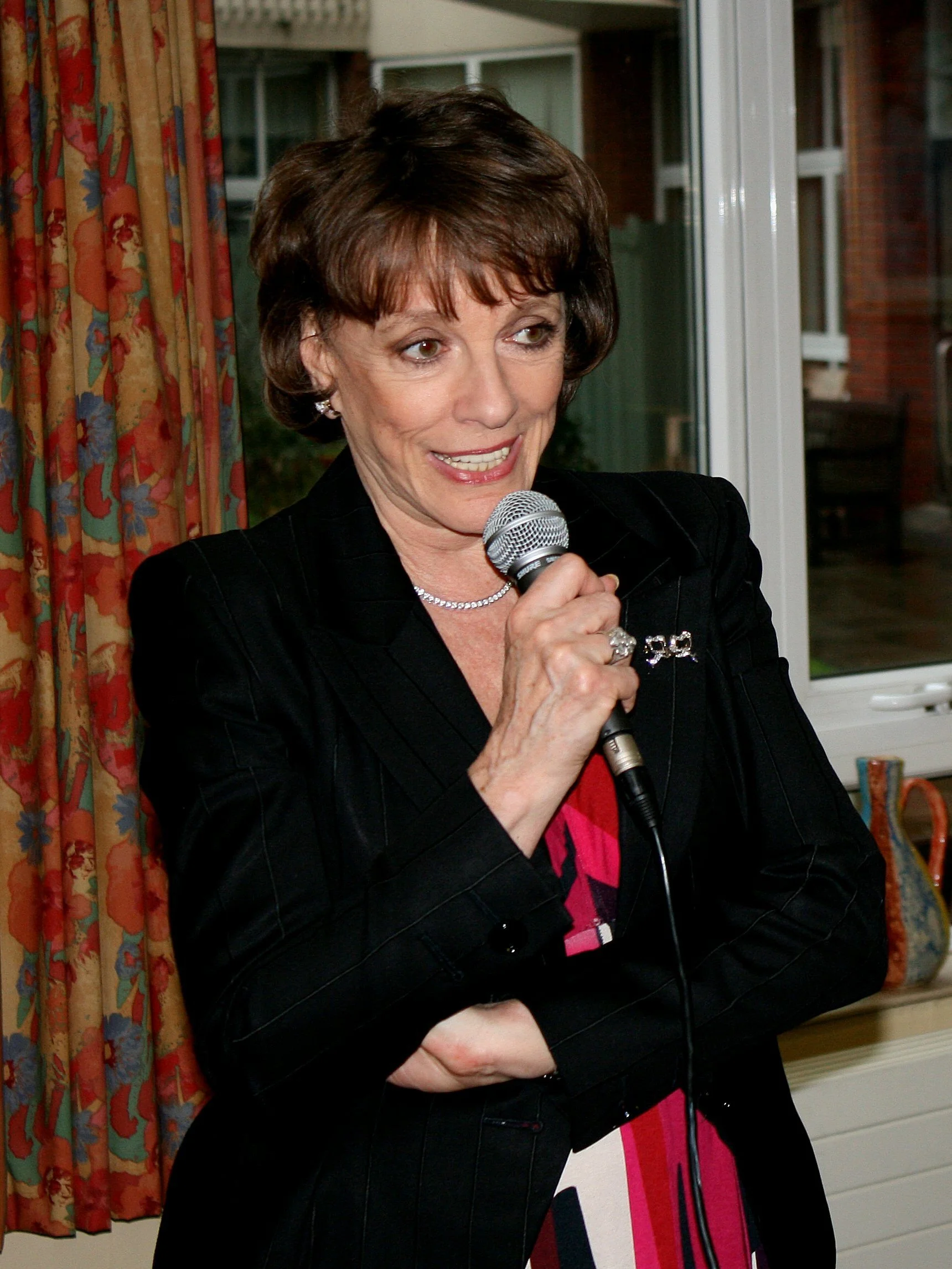
Dame Esther Rantzen at Nightingale House, January 2011.
Photograph © Brian Minkoff London Pixels, used under the Creative Commons Attribution -ShareAlike 3.0 licence. Original photograph on Wikimedia Commons.
Theme: The Beauty, The Broken and The Burnout
Quick Take
My admiration for Esther and her campaign.
A little about my experiences nursing people at the end of life.
And why it's a whole different ball game when it's your own parent!
What an incredible woman
I can remember Esther Rantzen from when I was very young. I'm not sure I took much notice of her back then, but after ChildLine, and then Silver Line, she became someone I admired enormously.
When she began campaigning for terminally ill adults to have the legal right to ask a doctor for a safe, painless and medically assisted death, I could see no wrong in her.
What an incredible woman. And watching her daughters on TV, what a legacy!
When the subject gets closer to home
My mother, however, believed it was very dodgy ground. She said she wouldn't want to shorten her life, or have anyone help her if she was suffering.
I explained that Esther was fighting for mentally competent adults with fewer than six months to live to have the right to choose a compassionate, pain-free death. Her aim was to give people control over their final moments, sparing them prolonged suffering and their families the heartache of witnessing an agonising death.
Milly shuddered at the thought.
I told her that if I had a terminal illness, I would want to go to Switzerland, where assisted dying is legal.
She shuddered again - perhaps more to do with the thought of her daughter 'taking her own life', as she saw it, than anything else.
I pressed her on it a few times, and it was never really about religion. It was simply a fear of what might happen.
And what about dementia?
She sometimes mentions a friend who has dementia.
"So sad," she says.
I tell her that I believe there should not only be choice, but also advance choice. That would include dementia.
Imagine a law that allowed someone to sign a document years earlier, while they were still mentally capable, saying:
"If I reach the point where I no longer recognise anyone, I don't want to carry on."
Of course, this is where things become much more complicated.
Opponents argue that it is a dangerous grey area. A doctor could ultimately be asked to make a decision about ending the life of someone who is vulnerable, can no longer speak for themselves and may not be able to change their mind.
Milly agrees. Very grey.
I've seen death at close quarters
Perhaps it's interesting to mention that in my nursing career I've had quite a lot of experience in palliative care and looking after people who are dying. I've cared for people in hospital, in care homes and in their own homes when I did some community nursing for an agency.
I was lucky to have some amazing training, which gave me the confidence to speak up and fight when I felt someone's pain wasn't being properly controlled. I've never really understood the fear of giving 'too much' pain relief in these times.
I built up relationships with families and talked openly with them about what was happening. I explained that some medications, particularly when someone was very close to death, could potentially shorten life, but that, in my view, they could also make those final hours or days much more peaceful.
The families knew their relatives were dying. I was never in the position of caring for someone who might otherwise have rallied and recovered.
And do you know what? I never witnessed a terrible death. I found death itself could be incredibly peaceful. I often felt that I was witnessing, and sharing, a very special and treasured moment. It was an enormous privilege to be there.
Of course, sudden and unexpected deaths, after accidents or other traumatic events, are a completely different matter. They should never be compared. But that's another story.
So, with all that experience, all that knowledge and all those years of nursing, I still wonder how I will feel when it comes to Milly.
It's easy to have an opinion. Until …
Because life is never simple, is it?
I can say all these things, argue for choice and believe passionately that people should have control over their own endings.
And yet, when it comes to it, if Milly had signed an advance decision, I'm just not sure I could bring myself to choose the moment to help her 'go'.
I know this because of what happened with my dear father. Despite being extremely ill and suffering dreadfully, my goodness, I fought and fought to help him get better.
I couldn't let go. Looking back, I'm always relieved that, in the end, he died of a heart attack.
But I could never have watched him suffer in pain. And I know too well how death can become the nightmare that Dame Esther experienced.
I just hope that, one day, there will at least be a choice - the choice Esther so cleverly and powerfully fought for - for if and when that moment comes.
A little more about Esther Rantzen and her campaign
For anyone interested in reading a little more about Esther and the fight for assisted dying, here are a few facts.
Dame Esther Rantzen campaigned passionately for the legalisation of assisted dying in England and Wales. Following her diagnosis with stage four lung cancer, she used her remaining time to speak up for terminally ill patients.
She supported giving mentally competent adults with fewer than six months to live the legal right to choose an assisted death. Her aim was to give dying people control over their final moments and the possibility of avoiding prolonged suffering.
The proposed Terminally Ill Adults (End of Life) Bill ultimately failed to become law after MPs voted against it in the House of Commons.
There were deep concerns about safeguards for vulnerable people. Critics feared that changing the law could put pressure on frail, elderly or terminally ill people to end their lives early because they felt they were becoming a financial or emotional burden to their families.
The Bill was defeated by 16 votes, with 286 MPs voting against and 270 in favour.
In her final farewell message, released after her death, Esther expressed sadness that the law had denied her the choice she had campaigned for. She had become too physically frail to travel to a clinic in Switzerland.
She thanked everyone who had supported her, explaining that simply knowing a peaceful death was legally available would have given her hope and confidence during her final weeks.
She ended with a plea for campaigners to continue fighting for future generations.
Her message was simple: "Nobody wants to shorten life, just to shorten death."