

The ‘D word’ - dementia - is too often whispered in corridors, parroted in handovers or muttered to relatives as if it explains everything. If you ask me, it doesn’t help.
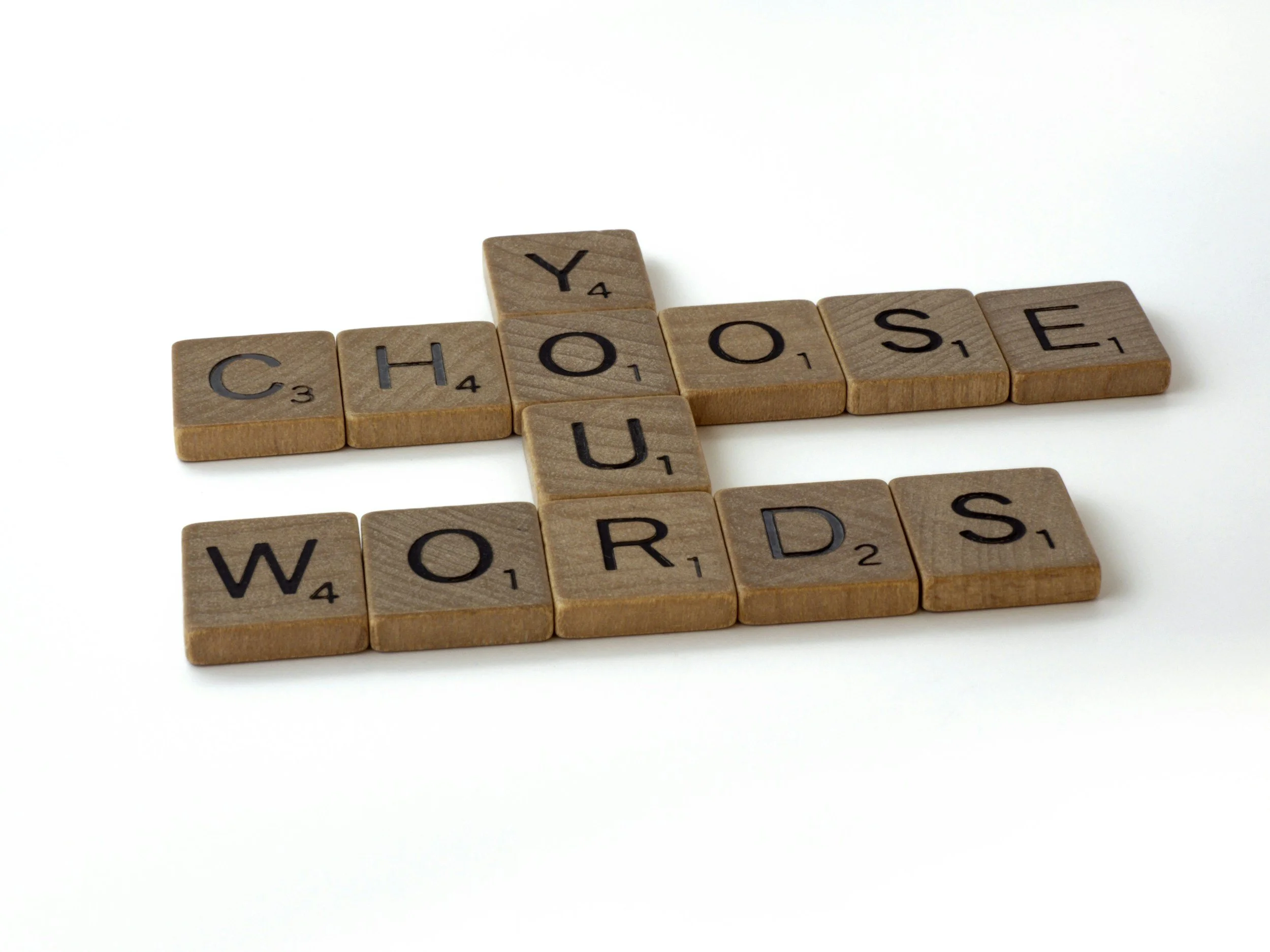
Theme: The Beauty
Quick Take:
Words matter. Labels can help - or hurt.
Focus on feelings, not the diagnosis.
See her. Hear her. Speak with care.
Words can Get in the Way
There is a real beauty in connecting with someone - it’s what makes medicine and nursing such a meaningful role. Which is why I struggle to understand why so many healthcare professionals use the word dementia so freely in front of the very people they’re caring for.
When Milly hears it, she goes straight into defensive mode and so many people have described to me the same panicked reaction in their relatives. Like me they have to quickly soften it, downplay it, or distract their loved one. This is how I first came up with the name of my musical - Immense Year - because I used the words to deflect. I really wish the word were used far less casually.
Professional to professional? When a diagnosis needs to be discussed clearly with the people who need to hear it? Of course. That matters.
But in everyday care - in handovers, waiting rooms, care homes, and casual clinical conversations - I’m not convinced it’s necessary. And I’m fairly sure it often gets in the way.
Honesty Without Labels
This isn’t about sugar-coating reality or denying the truth. Honesty is essential - patients deserve clarity about their health. But there’s a difference between giving information and reducing someone to a diagnosis. Instead of repeatedly emphasizing dementia or memory loss, it’s so much nicer to focus on the person’s abilities, challenges, and context. And anyway, memory might not even be the main issue.
In my experience, slowed processing and difficulties with planning can be just as challenging.
Words Affect Experience
Language matters. Labels and offhand phrases can cause worry or shame for anyone, just as casually saying ‘dementia’ can for someone living with memory loss. Choosing words carefully matters everywhere.
All too often, ‘dementia’ or ‘memory problems’ are used liberally, carelessly, or thoughtlessly - and it can hurt and make people feel vulnerable or stupid, even when they are fully capable of understanding and engaging with the world around them.
It can shape experience as much as the care we provide and, more importantly, we can probably reduce the challenges if we get the language right.
Better Ways to Phrase Things
Simple changes in language can help patients feel respected rather than defined by a disease. By choosing words that put the person first, nurses can provide care that is both honest and humane, empowering rather than inadvertently undermining dignity.
In a nurse handover that is in front of the patient or client, there are, in my view, much better ways to explain.
It should be more inclusive language where possible. Instead of saying: “she was confused earlier,” how about: “You felt a bit overwhelmed when we were changing your bed, didn’t you.”
Updating relatives? I experienced exactly this: “her memory is fine today” in clinics and when she was an in-patient, and it’s happened too often to count. Instead, the professional might have used more inclusive language: “I think you’re feeling pretty good today, your head’s clear and you feel fresh, yes?”
Care About the Person
Describe what is happening. Describe how they feel. Describe what they need. Forget the lazy use of words. Care about the person.
I’m allowed to say all this, aren’t I? Ex-nurse privilege!