

Dementia is not only feared but difficult to understand. Thinking of it as a wound can help.
Theme: The Broken & the Beauty
Quick Take:
Thinking of dementia as a wound helps demystify confusing behaviour.
Our voice, timing, facial expression, and body language become the care - like a dressing for the wound.
M.A.G.I.Q. in action - Moderation, Acceptance, Gracefulness, Inclusiveness, and Quiet preserve dignity and build trust.
De-Mystifying Milly
Unsurprisingly, my husband and daughters found the idea of Milly having dementia deeply unsettling. Having only seen it portrayed in films and adverts, the thought of someone they loved - a clever, caring grandmother - behaving in ways that didn’t make sense felt frightening, overwhelming, and sad.
It conjured up images of unpredictable, out-of-character moments, with a sense of developing tragedy that was hard to think about.
I had years of nursing experience and saw Milly most days, so I could see how her dementia was progressing and found it more predictable. They didn’t have the chance to build their knowledge in the same way.
An Invisible Wound: A Different Way to Think About Dementia
To help them cope with their fear, I wanted a simple way to explain the disease. With busy working lives, the explanation needed to be quick, clear, and easy to hold on to.
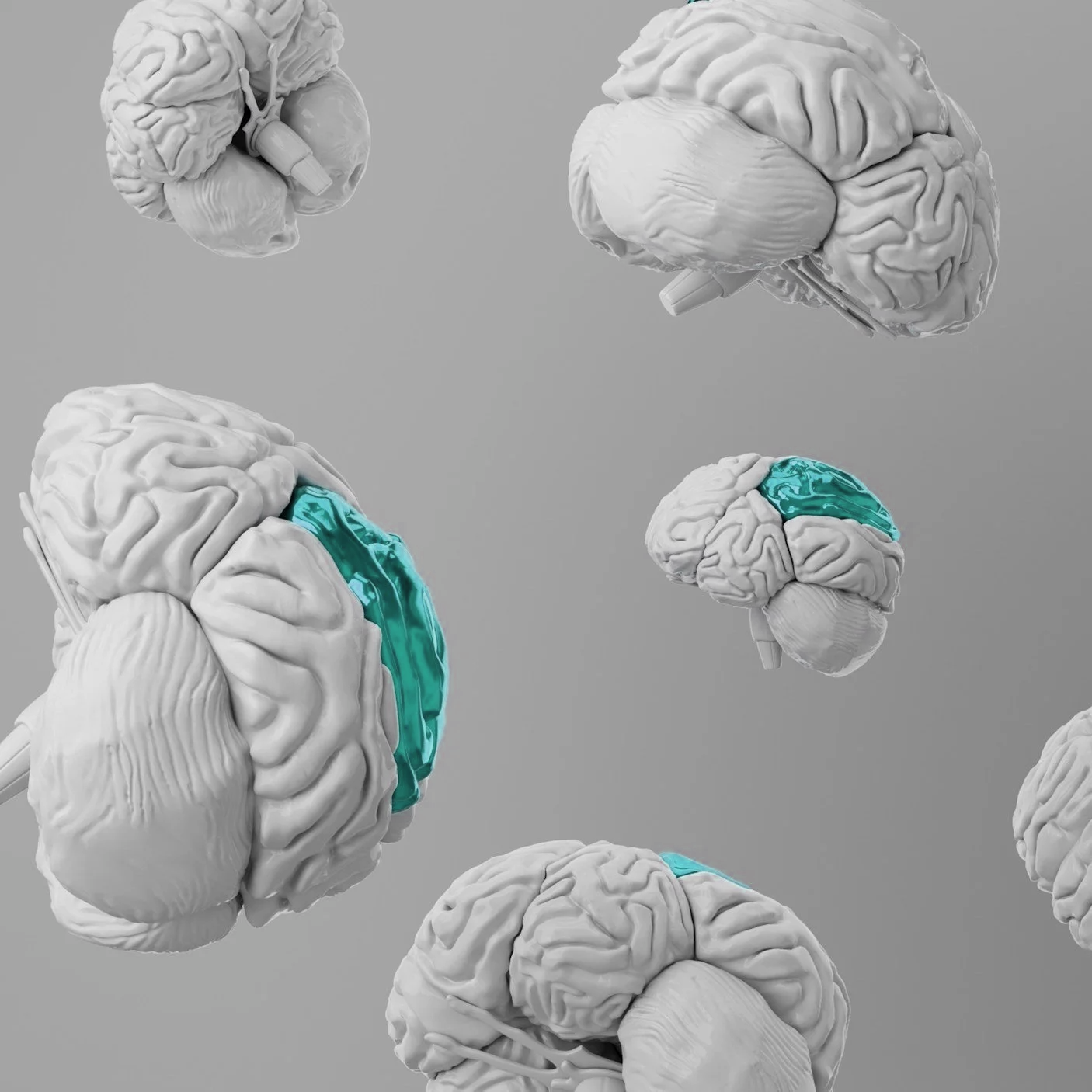
I suggested they imagine that Milly had an invisible wound - in her brain: sore, vulnerable, and not healing.
Wound Stages: Understanding the Progression
Experts such as the Alzheimer’s Society often describe dementia in three stages - early, middle, and late -stressing these are only guides. Specialist and research settings often use more detailed phases.
I described the wound as progressing in three stages: first small and irritating, then more serious and painful, and finally one that does not heal.
Although I want to share quite a few examples here, and it might feel a little long, I want to show how Milly’s reactions progressed in areas like money, technology, medication, mobility, and independence.
A Small Wound - “I’ll manage, I’m fine.”
Early on, Milly was thoughtful and protective of herself, guarding her ‘small and irritating wound’.
“I’m not stupid. I can look after this myself, thank you.”
This was not an easy time and led to many arguments between us. For my husband and daughters, it was less stressful. Once they thought of dementia as a wound, they felt soft and protective towards Milly, going along with most of what she said, always trying to help and letting strange or contradictory thoughts pass without challenge.
The details varied, but the feeling underneath was always the same: a need to protect herself and stay competent, in control, and taken seriously.
“My PIN number isn’t working again. I’ll have to go back to the bank.”
(It was working.)
“There’s something wrong with the remote. Can you change the batteries for me.”
(It was fine.)
“The oven’s not working. I’ll get someone in.”
(Nothing was wrong with it.)
“The doctor must have changed my prescription, they’re all a bit muddled.”
(The prescription was correct.)
“Can you give me my car keys back? You keep taking them.”
(She hadn’t driven for over a year and the keys were safely put away.)
A Serious Wound - “This is worrying. I need to keep it safe.”
Milly’s ‘wound’ was growing more serious, painful and worrying.
She felt anxious and protective of herself, accepting help but, as she saw it, only temporarily. “I need to stop being so lazy.”
My husband and daughters found this stage sad. They didn’t like seeing Milly becoming more vulnerable, but they loved helping when they could and never tried to force her to do anything.
“Could you get some money out for me? Something’s not right with my PIN number.”
“The TV keeps doing strange things. I’m so fed up, I don’t know what’s going on.”
“I don’t want to cook today. I’m not hungry. I’ll make myself a small sandwich later.”
“I’ve taken all my tablets. I don’t understand what these are for?”
“I won’t go out today. I’m feeling very tired.”
Nothing dramatic had changed overnight - but her confidence was thinning, and the world was beginning to feel less safe.
A Wound That Does Not Heal - “What’s going on?”
In these later stages, Milly needs more support as her wound is beyond healing. But her brain doesn’t always tell her she needs help. She still tries to manage on her own, even when she can’t.
“Do I need to do anything? Pay her? Or will you?”
“I can’t bear all this shouting! It’s so depressing. Please turn it off!”
“Lovely chicken. I should be cooking for you!”
“Are these my tablets?”
“I wonder if I’ll ever drive again?”
Wound Care: How We Can Help
When someone has a visible injury - a bandage, swelling, or bruising - or has undergone major surgery, we very naturally slow down, explain what we’re doing, and keep the environment calm and reassuring.
The ‘dementia wound’ needs the same response because every small interaction can soothe - or hurt.
Drawing on my years as a nurse and caring for my mother, I shaped these instinctive responses into an easy-to-remember approach called M.A.G.I.Q. It helps us communicate with empathy, patience, and dignity, protecting the person’s sense of safety and connection.
Moderation - calm, measured actions and reactions
Acceptance - validating what they say, offering respect
Gracefulness - moving and speaking with care
Inclusiveness - keeping them part of everything
Quiet - reducing noise, maintaining calm
Although M.A.G.I.Q. already has its own place on this website, I wanted to use my blog to explain where it came from.
M.A.G.I.Q. For Everyone
My husband and daughters represent many carers - both family and professional.
Like family carers, they carry sadness, frustration, and the painful sense that they should somehow know or do better when Milly is distressed.
Like professional carers, they also take on practical and personal tasks, always trying to keep Milly safe, calm, and settled.
M.A.G.I.Q. communication bridges both worlds. It offers a simple, practical way for anyone - family or professional - to care for the ‘invisible wound’ and stay connected. I hope it inspires you to take a closer look.