

We might forget the exact words someone said years ago, but most of us remember how they made us feel - the warmth of being understood, or the sting of being dismissed. It’s true for all of us, whether we live with dementia or not.
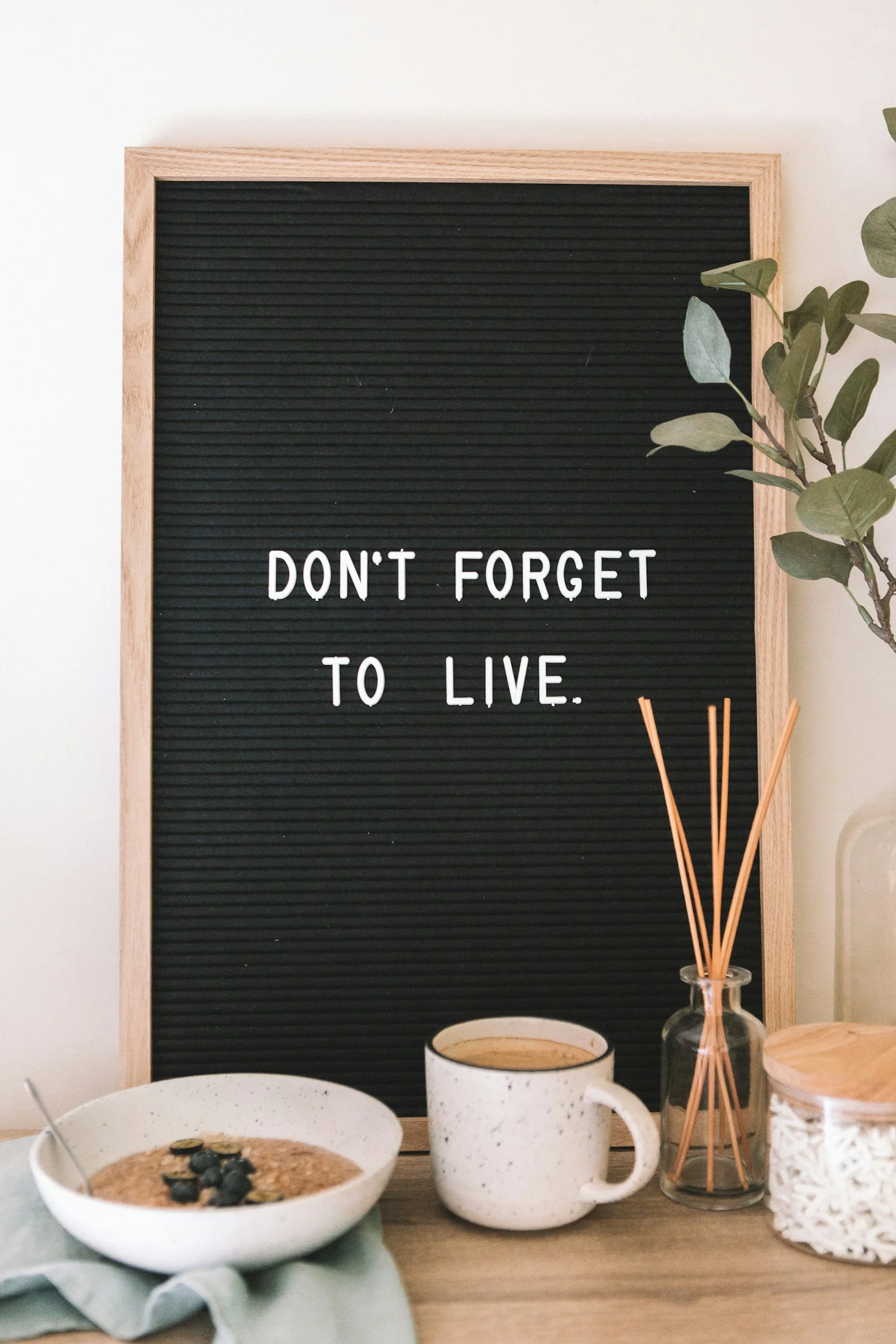
Theme: The Beauty
Quick Take:
Memory slips but love stays.
Connection matters more than memory.
What’s lost reveals what lasts.
Feelings Stay Rooted
This is what Last and Found is about - noticing what lasts and what can still be found, which is why connection, safety, joy, and dignity matter so much.
That truth became very real to me when Milly began showing signs of dementia. Facts slipped or became distorted, but her emotional responses remained intact. Even when her sense of reality felt fragile her feelings stayed reliable.
Connection Brings Contentment
Milly can sometimes seem distant or disengaged, but her need for connection is as strong as ever, as long as it’s safe.
She would rather sit alone all day than be with someone she has to pretend with or mask her difficulties for. Masking is a term healthcare professionals use to describe how people try to hide memory or processing problems - changing the subject, smiling along, hoping no one notices.
With people she trusts - particularly me or my husband - Milly will happily sit through a television programme she doesn’t enjoy just to be together. She’s never liked opera, but she’ll tolerate it now if it means spending time with me. The facts don’t matter. The feeling does.
Safety Brings Serenity
Too much noise, sudden changes, unfamiliar people, or disrupted routines can unsettle her quickly. But familiarity - the same chair, the same calm voice, the same faces - brings peace. Safety isn’t dramatic. It’s quiet.
A Little Fun Goes a Long Way
Milly’s capacity for joy hasn’t gone anywhere. She still laughs easily, shows kindness, and delights in small moments. Sometimes she’ll share a story from childhood, or repeat a familiar phrase because one word has sparked something. The details may not be accurate, but the happiness attached to them is unmistakably real.
Respect and Dignity Create Calm
Most days, Milly isn’t particularly interested in what she wears. She’ll happily repeat outfits, mismatched or marked, seemingly unconcerned. But if she’s going out - or expecting a visitor (which she avoids if she can!) she’ll check she looks alright and brush her hair. She still wants to be herself in the world.
She fiercely guards her privacy, especially in the bathroom. Tasks that look simple to us - even washing hands - can suddenly seem quite complex, yet her need for dignity hasn’t diminished. It reminds me how hard it would be for her to have multiple carers moving in and out of her day.
Rituals and the Little Things That Matter
Some things endure quietly. The way she smooths her sleeve after retrieving a tissue. Tidies her cushion. Straightens the bed. Checks her glasses are by the bedside before sleep. Every night, she kisses her finger and touches a photo of my father.
These rituals remain and I know I will be sad when they go. They are so familiar to me and probably anchor me a bit.
Familiar Fun Leads to More Fun - Mostly
I put The Good Life on recently, and she was captivated. I don’t ask if she’d like it because she doesn’t recall it. The question of whether to watch something brings pressure as her memory falters and she’ll most often decline, “Not now”. If I tell her that I want to watch something she’s very happy and then she enjoys the familiarity.
The opening notes of a familiar theme tune for a game show often spark recognition. She hums, smiles, repeats catchphrases. Then one memory unlocks another and suddenly we’re deep in a discussion about actors and programmes from decades ago. To my husband’s surprise, she often remembers names long before he does.
Music can be overwhelming for her. She loves it, but never wants it on if she’s alone - she says it makes her sad. Watching her, I think she’s flooded with fragments of memory that are too much for her.
What Lasts Is Deeper Than Remembering
Routine is essential. It reduces confusion and restores calm. Toast and marmalade in the morning. A scone and jam at tea time. A familiar bedtime rhythm. These patterns give her structure, dignity, and a sense of control - and she’s noticeably happier when the day feels predictable.
Freedom in Forgetting
This part of the journey has so surprised me. This is the other side of Last and Found: sometimes what is found only appears once something else is forgotten.
My mother, like all mothers, tried to do her best. She was loving, caring, and - perhaps most importantly - she trusted me. Probably because I was a nurse and helped the family with health matters and I believe that trust makes caring for her easier now.
But our relationship wasn’t always simple. She cared deeply about appearances and doing ‘the right thing,’ often at the expense of feelings. Dementia has stripped much of that away. In forgetting, she has let go of perfectionism, fear, and the need to please. What’s emerging is a softer, freer version of her - kind, wise, funny, and deeply loving - the woman others perhaps saw more often than I did.
And as my mother forgets, I find myself forgetting too - releasing old frustrations and long-held resentments.
It’s a complex journey, full of loss and grief. But there are unexpected gifts.
Because facts may go.
But feelings remain.
Science Note
Recent research from University College London supports my experience, suggesting that people with Alzheimer’s may retain emotional empathy even when communication, self-help and social skills diminish. This highlights the importance of connection and feelings in care. The Alzheimer’s Society also explains that people with dementia frequently experience strong emotions and may express feelings even when factual recall falters. Familiar routines, emotional interactions and supportive presence can sustain calm and connection long after specific memories fade.