

“What a ridiculous question!” said Milly to the specialist at the Memory Clinic. “Do you even know? I bet you don’t!”
Theme: The Beauty, Broken and Burnout
Quick Take:
Missed Birthdays, a forgotten cup of tea - and the world shifts
Memory tests: stressful, exhausting… and unexpectedly funny.
Behind every smile, a life-time of courage hides
Little Moments that made us Pause
When Milly started forgetting things it wasn’t dramatic, it was just little moments that made me and my father pause. A birthday missed. A half-finished cup of tea … left in the fridge. But when those lapses begin to cluster and repeat, we started to question what was going on.
Tests that made our Hearts Race
After my father sadly died and Milly needed more support, I’d go with her to GP appointments and so often there seemed to be tests that sent both our heart rates up. It’s the “I’m going to give you a name and an address, and I’d like you to remember it. We’ll come back to it later” test.
I honestly don’t know who panicked more. While the doctor asked further questions, I’d sit there silently chanting to myself like a madwoman: “John Brown, 1 Victoria Road, Cambridge. 1 Victoria Road, Cambridge. John Brown. John Brown. 1 Victoria …”
Memory in Mid-life and when it Changes
Now I’m in my mid-sixties, memory becomes a pretty regular topic of conversation for me and my friends. We all laugh about misplacing our keys, blanking on a name or what we were talking about a minute ago but it’s different when memory and processing problems start creeping into everyday life - when they really change how we function.
My father called it “Butterfly Mind” because Milly would flit from one job to another, one thought to another, never quite finishing anything. It sounded light and sweet, but we both knew what he really meant.
The Reluctant Diagnosis
I didn’t push for a diagnosis straight away. Milly’s fear and denial were formidable - and to be honest, I couldn’t see much practical benefit.
The only perk seemed to be council tax exemption. And medication at her age? Hardly worth the fuss.
Eventually, though, as she became more reliant on me, I decided to rebrand the whole thing. “It’s a government research programme,” I told her. “They’re studying memory because people are living longer. It’s important we all participate.”
I threw in a bit of nostalgia too - reminded her of my work with the breast screening services back in the late ’80s and, of course, I mentioned how lucky we were to have the NHS, which, to Milly, was almost sacred. That did it. She agreed - partly out of logic and partly out of respect.
The Test
I don’t want to be quoted on the exact questions or order - these things vary depending on the person and the assessor. But here’s how Milly’s went, more or less.
Attention Skills
“Where are we? What date is it? Here are three words - remember them if you can. Can you take seven away from a hundred? And keep going?”
I could see the panic start to flicker. Numbers were always her weak spot - they brought back school memories of feeling ‘not good enough.’ But she held her own.
Fluency Skills
Next up: “Please name as many words as you can that begin with the letter C - but no names or places.”
She actually quite enjoyed this one and came up with more than I did. Then: “Name as many animals as you can. Any letter.” Again, she was fine.
Memory Skills
Here came the dreaded part: “I’ll give you a name and address I’d like you to remember…” Cue my best calm, supportive smile - inside, I was chanting again.
Then some general knowledge questions - Prime Minister, first female Prime Minister, US President. That was familiar ground, and she visibly relaxed.
Language Skills
“Pick up the paper. Pick up the pencil.”
No problem.
“Now write a sentence. About anything.”
Uh oh. Panic again. Milly hated writing - she worried about her spelling and grammar, convinced it made her look foolish. But she managed. Sort of.
Then there were proverbs to repeat, pictures to name - all fine but tiring.
Visuospatial Awareness
Now it got fiddly. Draw these overlapping diagrams. Count the dots. Identify these shapes. “Draw a clock showing half past six.”
Then: “How long would it take you to drive from here to central London?”
Milly rolled her eyes. “How on earth should I know? Depends on the traffic!”
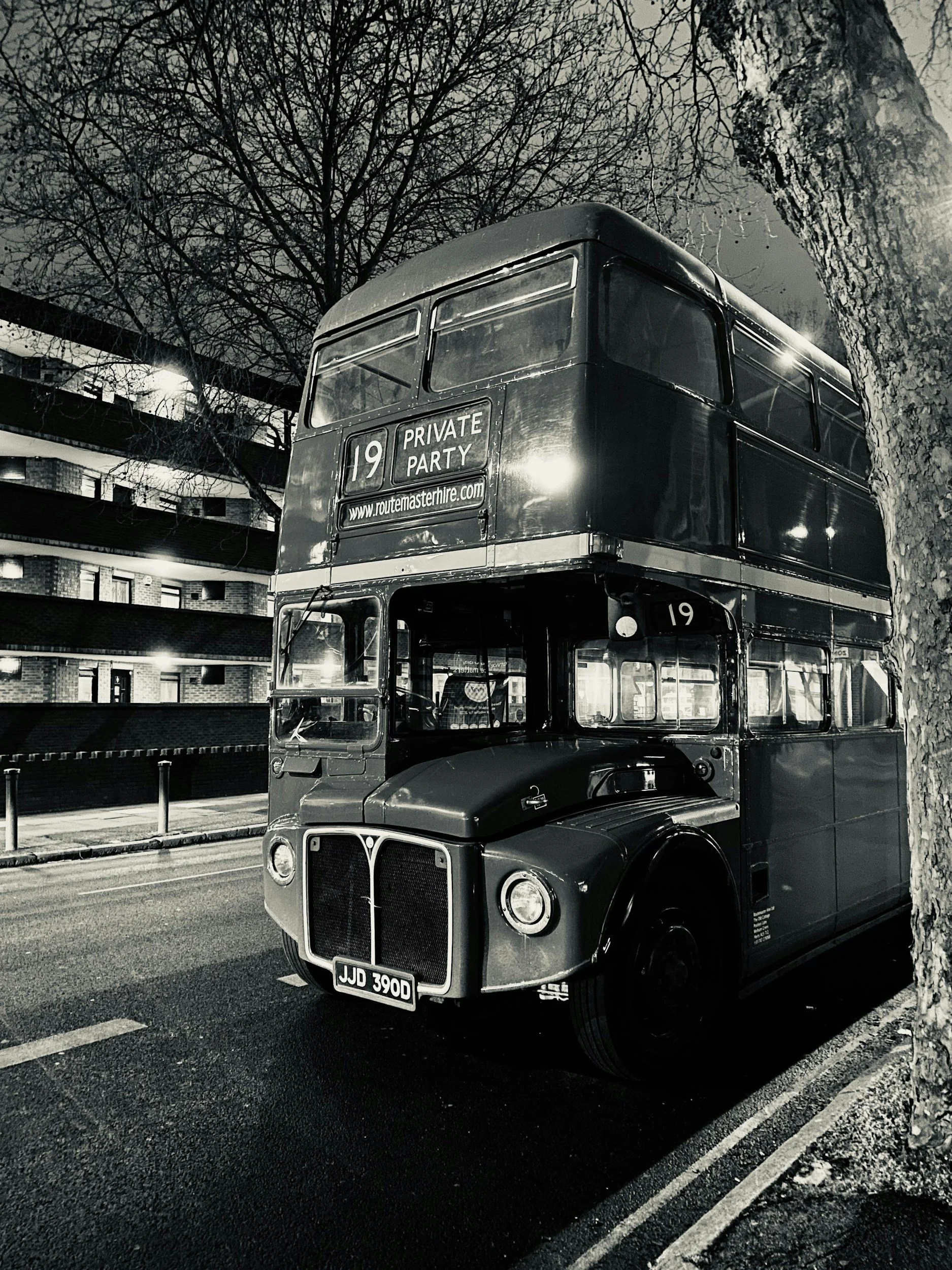
Next “Roughly how high do you think a London double-decker bus is?”
“What a ridiculous question!” said Milly to the specialist that she had finally had enough of at the Memory Clinic. “Do you even know? I bet you don’t!”
By this point, she was exhausted - tired, stressed, and feeling silly. Thankfully, she was at a stage where I could make light of it - joke about how I wouldn’t have done much better, and then distract her with a cup of tea and chocolate. Within a week or so, she’d forgotten all about it.
Looking Back - and Forward
Watching Milly go through this test brought a mix of tenderness, sadness, and a little fear for myself. I wanted to protect her, make it all go away, tell the doctors and nurses to be softer, kinder - to realise how much it all meant.
Looking back, I can see that this, and the small follow-up tests, were really the start of something else: the beginning of me learning to accept what was happening and plan for the future.
I learned to relax, to turn it into a kind of game. Would today be the day we met someone wonderful and kind, or another “It wouldn’t be like this if I were in charge!” kind of day? Either way, we’d end up laughing.
Waiting Room Giggles
Getting Milly to an appointment is now pretty easy. I just don’t tell her until about an hour before we need to leave the house - giving her time to take it in and have a calming cup of tea. Plus these days, we actually love a waiting room. We get the giggles far too often - usually because of the chaos of clinics or the way nurses call out names we can’t quite make out.
And when Milly’s asked a question that seems a little tricky, she’ll glance at me for reassurance, and I’ll grin or wink, and just like that… it becomes fun again.
And we can’t stop repeating lines from Tony Hancock’s The Blood Donor. It makes me smile, just at the thought of her joy.
“A pint? That's very nearly an armful!”
“I came here in all good faith, to help my country.”
“It might be just a smear to you but mate, but that’s life and death to some poor wretch!”
“Well, that's that then. I'll take my tea and biscuits now!”
Lessons from Milly
Milly reminds me to see the person in front of me, rather than be the ex-nurse anxious about ‘what next.’ She’s a little less able now, spending more time inside her own head, but when she’s content, her warmth and grace shine through. She remains respectful and gracious, noticing a receptionist’s lovely smile, a nurse’s beautiful name, or a doctor’s busy clinic.
If she perceives someone as rude or patronising - that’s another story - and she tells it like it is!